

Mumbai, September 26, 2026 — The lights came on, the music began and the runway came alive with couture. But at the heart of the evening was something far more enduring than fashion.
It was the story of Mijwan.
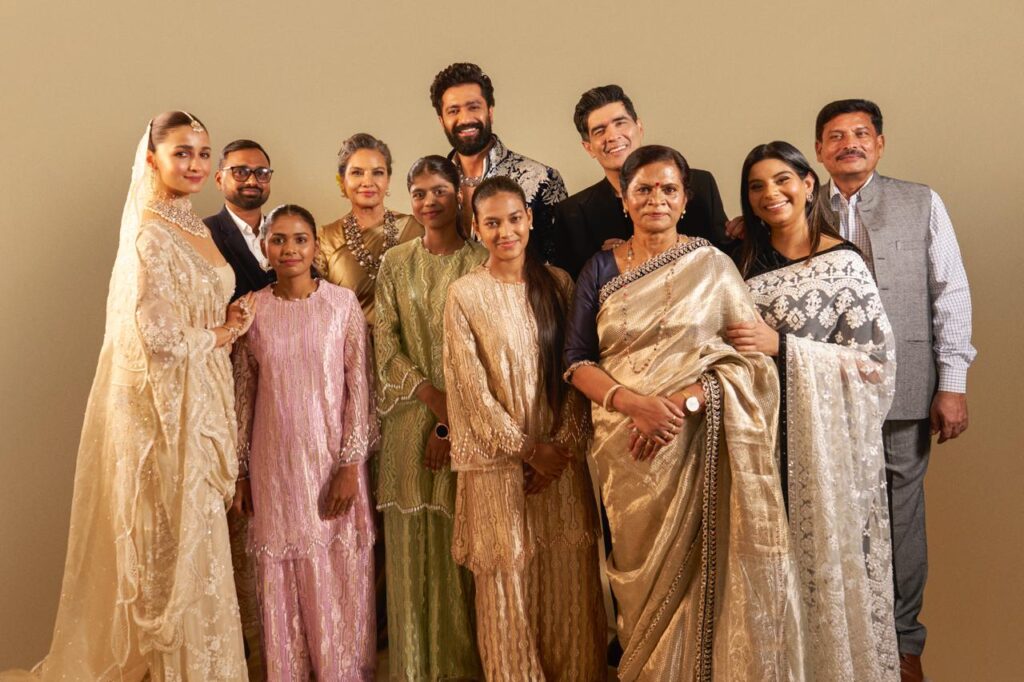
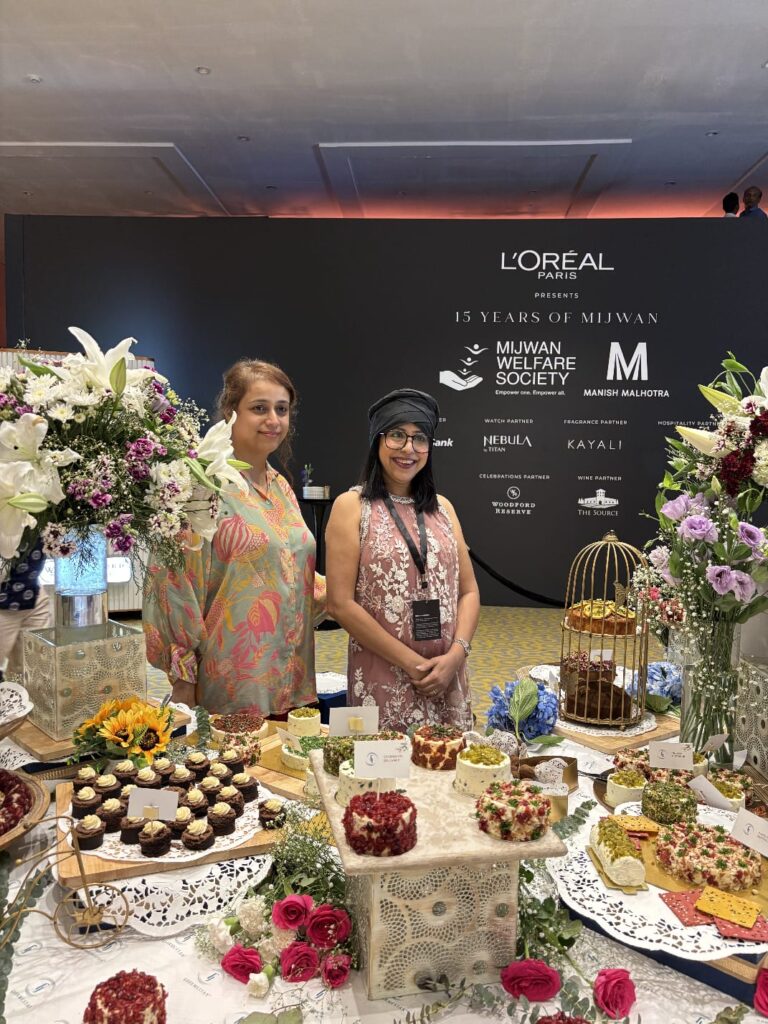
On September 26, the Mijwan Fashion Show returned to Mumbai for a landmark celebration of 15 years of the association between Manish Malhotra and the Mijwan Welfare Society. Held at Taj Lands End, the evening brought together Indian craftsmanship, contemporary couture and some of the biggest names in Hindi cinema.
But behind every embroidered panel, every delicate motif and every couture silhouette was the quiet work of women artisans from Mijwan, Uttar Pradesh.
Their hands were on the runway that night.
From Mijwan to Mumbai
Mijwan is a village in Azamgarh district that became the centre of a much larger dream.
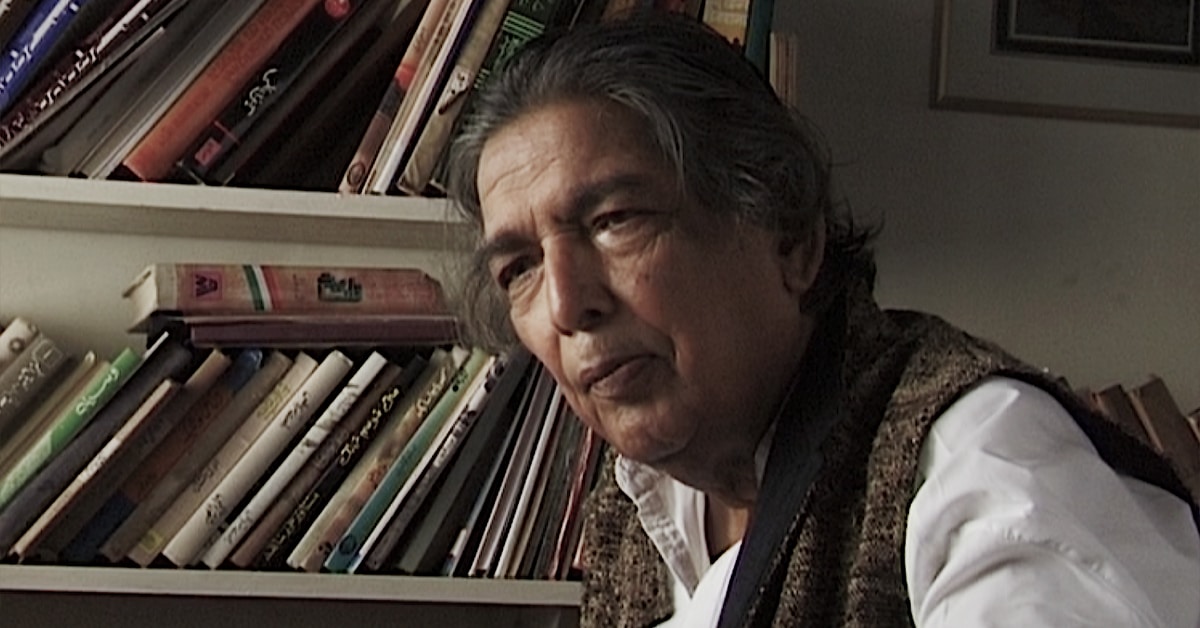
The Mijwan Welfare Society was founded by the legendary poet Kaifi Azmi with a vision of creating opportunities for people in rural communities, particularly through education, skills and employment.
His daughter, Shabana Azmi, continued that vision through the Mijwan Welfare Society, expanding its work in education, vocational training and women’s empowerment.
Among the most enduring parts of this journey has been the work of Mijwan’s women artisans and their intricate chikankari embroidery.
In 2010, Manish Malhotra began his association with Mijwan, and the collaboration grew into a fashion initiative that gave this traditional craft a place in contemporary couture.
What began with embroidery created by women in a village gradually found its way onto some of India’s most watched fashion runways.
And on September 26, that journey reached another milestone.
15 Years. One enduring craft.
The 2026 showcase marked the 15th edition of the Mijwan Fashion Show and celebrated 15 years of Manish Malhotra’s association with the Mijwan Welfare Society.
Over those years, Mijwan’s chikankari has been presented not simply as an inherited craft, but as a living art form capable of evolving with contemporary fashion.
The latest collection brought together intricate chikankari and thread embroidery with couture silhouettes in shades including ivory, deep green, coral and ombré tones.
The result was unmistakably Manish Malhotra, but the story behind the embroidery remained unmistakably Mijwan.
Alia Bhatt and Vicky Kaushal close the show
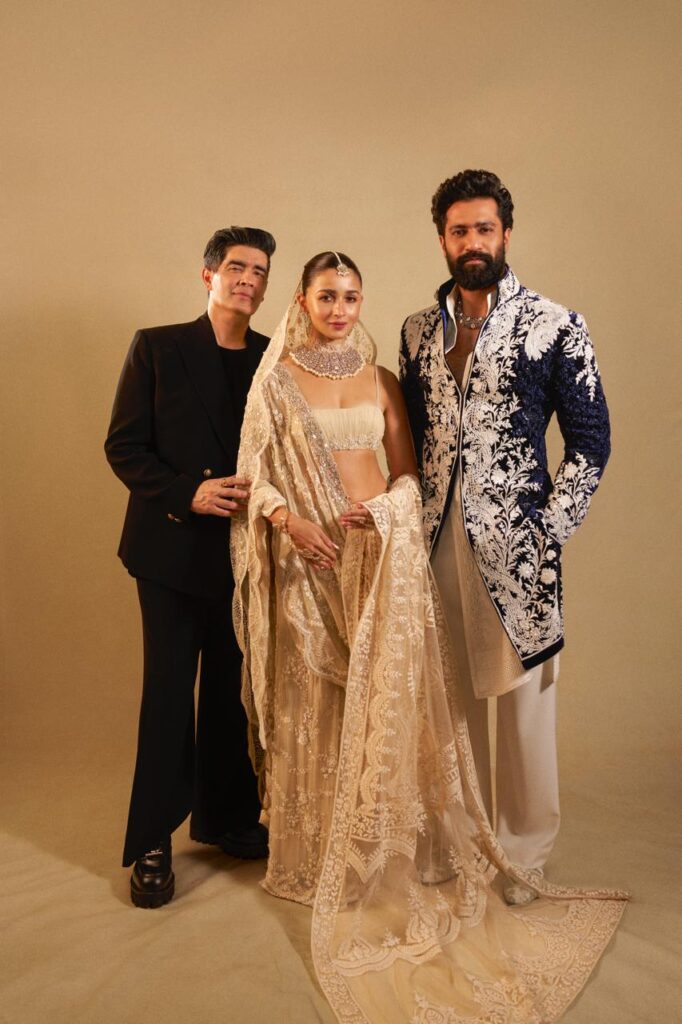
The evening reached its much-anticipated finale with Alia Bhatt and Vicky Kaushal walking the runway as showstoppers.
Alia appeared in an ivory chikankari saree featuring intricate embroidery, sequins, silver embellishment and scalloped detailing, paired with a contemporary blouse and veil.
Vicky complemented her in a midnight-blue and ivory ensemble featuring chikankari detailing.
Together, they brought the evening’s central idea into sharp focus: the meeting of India’s traditional craftsmanship with contemporary fashion.
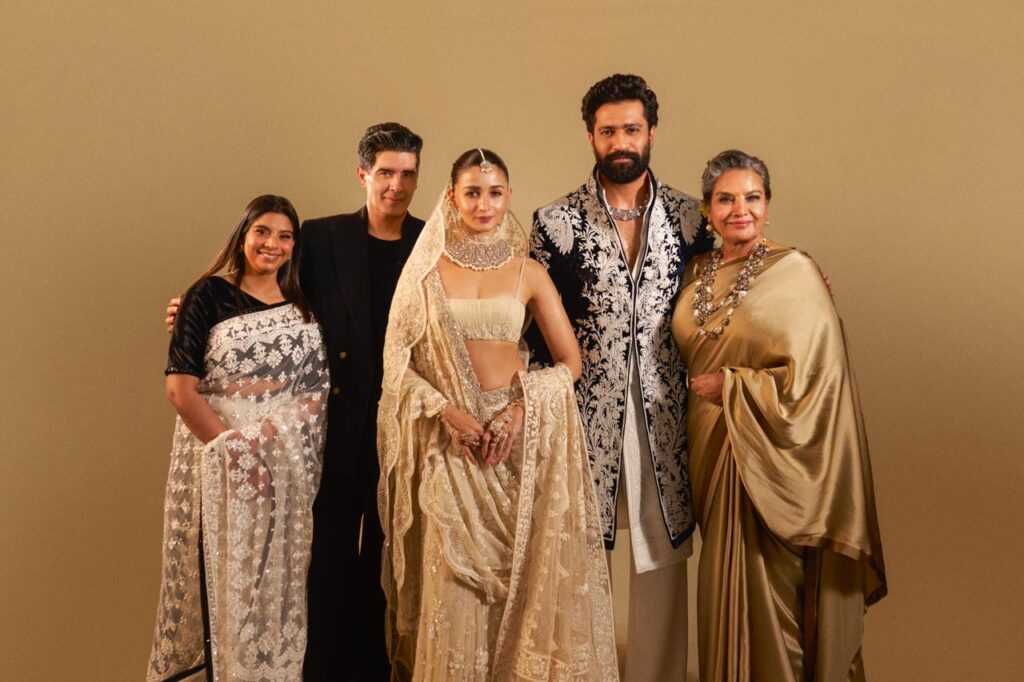
Their appearance also generated considerable attention because the two actors are set to share the screen again in Sanjay Leela Bhansali’s Love & War.
But for Mijwan, the significance of the moment went beyond celebrity.
The embroidery they wore represented the skill, patience and creativity of artisans whose work began far away from Mumbai’s fashion spotlight.
When a village craft becomes couture
One of the most remarkable aspects of the Mijwan journey is the change in scale.
A craft practiced by women artisans in a rural community can be intensely personal: one needle, one thread, one motif at a time.
Couture gives that work another stage.
Through the partnership between Mijwan Welfare Society and Manish Malhotra, chikankari has travelled from Mijwan’s embroidery centres to fashion runways, celebrity wardrobes and, more recently, international platforms.
In 2026, Mijwan artisans’ chikankari was also part of Manish Malhotra’s debut at Paris Haute Couture Week, bringing the work of these artisans to one of the world’s most important fashion stages.
From a village in Azamgarh to Paris.
From an artisan’s needle to the couture runway.
It is a journey that speaks not only about fashion, but about what happens when skill meets opportunity.
The stars came, but the artisans were always at the centre
The September 26 showcase brought together a remarkable gathering of cinema and fashion personalities.
Madhuri Dixit, Urmila Matondkar, Kajol, Shilpa Shetty and several other guests were among those seen at the event.
The glamour of the evening was undeniable.
But the deeper purpose of the Mijwan Fashion Show remains the same: creating visibility and opportunity for the women whose craftsmanship gives the collection its identity.
That distinction matters.
A fashion show can last an evening.
A livelihood can change a life.
The hands behind the glamour
Every finished chikankari piece carries hours of painstaking work.
The beauty seen under runway lights begins much earlier — with artisans, embroidery frames, needles, threads and designs developed through generations of knowledge.
According to reporting on the Mijwan initiative, the Kaifi Azmi Chikankari Centres have trained hundreds of women over the years, helping turn traditional embroidery skills into a source of livelihood.
This is why the Mijwan Fashion Show has always meant more than a collection.
It creates a bridge.
Between village and city.
Between tradition and contemporary design.
Between skill and opportunity.
Between an artisan’s work and a global audience.
From Mijwan, with pride
Fifteen years of the Mijwan fashion journey have created countless runway moments.
There have been celebrities, couture creations, cameras and headlines.
But the most important story remains quieter.
It belongs to the women who sit with needle and thread and turn fabric into art.
It belongs to the artisans of Mijwan.
It belongs to the belief that rural women should not merely preserve their craft — they should have the opportunity to build a livelihood from it, gain recognition for it and see their work travel beyond the boundaries of their village.
On September 26, 2026, that belief once again stood under the brightest lights of Mumbai.
And as the final walk came to an end, the story of Mijwan continued.
Because the runway was never the destination.
It was a platform.
A platform for craft.
A platform for women.
A platform for Mijwan.
A journey that continues
Fifteen years after Mijwan and Manish Malhotra began this journey together, the ambition remains beautifully simple:
to ensure that the hands that create India’s finest traditions have the opportunity to shape their own future.
From Mijwan to Mumbai.
From Mumbai to Paris.
And from one generation of artisans to the next.
The journey continues.